
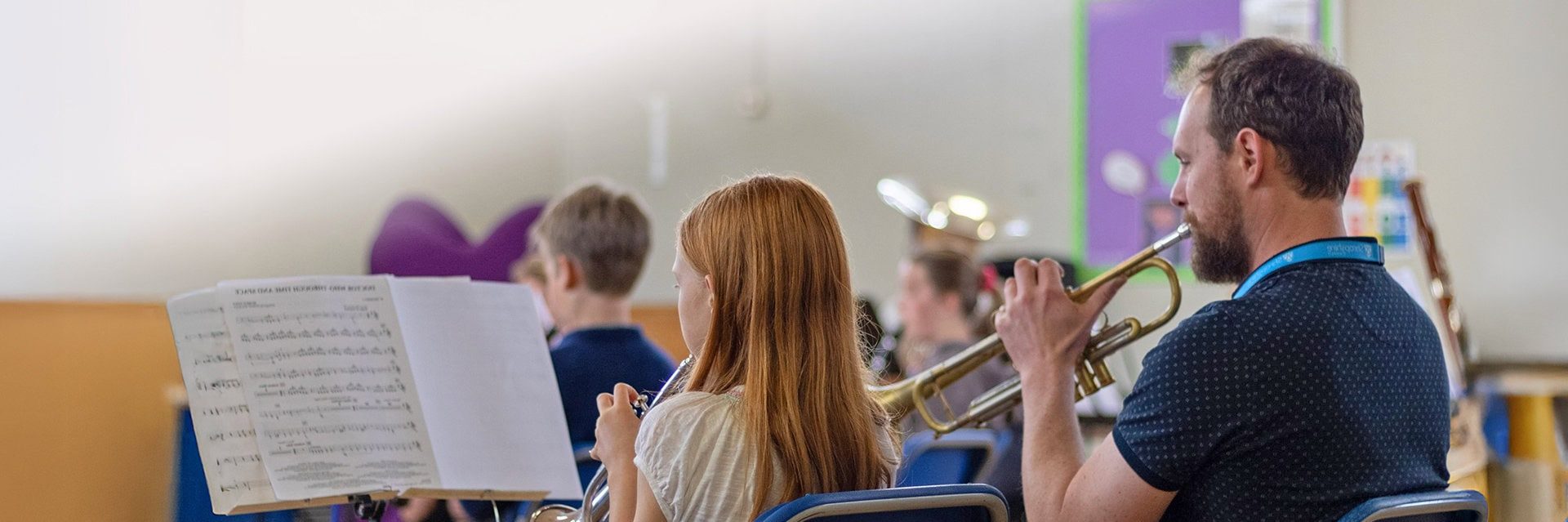
The saxophone’s warm, expressive tone captivates learners across ages. Whether you’re drawn to smooth jazz standards, energetic rock grooves, classical crossover pieces, or contemporary chamber music, saxophone offers immediate musicality alongside technical development. Our teachers across Shropshire guide learners from first notes through to confident performance and exam achievement.
Saxophone appeals to musicians seeking expressive, soulful playing. The instrument’s range allows everything from breathy whisper-tones to soaring high notes. This emotional range makes saxophone particularly satisfying for players interested in communication and expression.
Learning saxophone develops embouchure control, breath support, and finger dexterity. The learning curve starts gentler than some wind instruments, meaning beginners experience early success building confidence quickly.
Saxophone suits ensemble contexts beautifully. Jazz bands, concert bands, orchestras, and contemporary groups all feature saxophone. Playing in ensemble develops collaboration skills alongside musical growth.
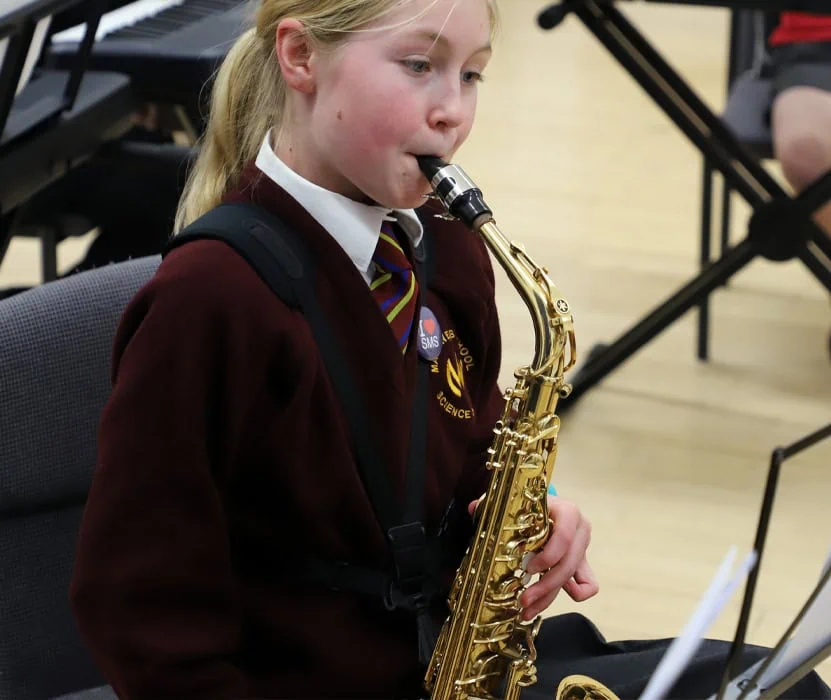
Saxophones come in different sizes. Alto saxophone suits most beginners; soprano and tenor saxophones come later. Baritone saxophone is occasionally taught to experienced players.
Alto saxophone is easier for younger learners because the instrument is smaller and lighter. Many learners explore other saxophone types once established on alto.
Children aged 8 upwards typically start saxophone. The instrument’s immediate expressiveness appeals to young learners. Most children play recognisable songs within 6-8 weeks with consistent practice.
Young saxophone learners progress through folk melodies, beginner jazz standards, and classical crossover pieces. This repertoire variety keeps engagement high while building technique.
Group saxophone lessons work well in schools. We run group sessions across Shropshire where learners develop alongside peers. The ensemble context develops listening and rhythm sense powerfully.
Teenagers often bring clear musical tastes. Many want jazz, rock, or contemporary styles they hear regularly. Our teachers accommodate these interests while ensuring technical foundations develop.
Teenage saxophone learners frequently form bands or play in jazz combos. These real performance opportunities drive practice and create peer motivation.
Both examining boards offer saxophone grades spanning beginners through advanced levels.
Grades 1-8 provide clear frameworks. Exam pieces span jazz, classical, and contemporary styles.
Exam preparation typically requires 12-16 weeks for early grades, increasing for later grades.
Your teacher guides preparation thoroughly, balancing set pieces, scales, sight-reading, and aural work.
Proper saxophone technique from the start prevents injury and enables sophisticated playing later. Key areas include:
Our teachers emphasise these foundations early. Initial awkwardness gives way to natural movement with consistent practice.
Saxophone repertoire spans classical pieces, jazz standards, rock songs, folk arrangements, and contemporary compositions. This variety means saxophone suits diverse musical tastes.
Our teachers guide learners through this breadth. You might play Bach transcriptions one week, jazz standards the next, and contemporary pieces the following week. This variety keeps learning engaging.
Saxophone shines in ensemble contexts. Jazz combos, concert bands, orchestras, and contemporary groups all feature saxophone. Ensemble playing develops different skills than solo study: listening to blend, responding to other musicians, and creating colour alongside leadership.
We facilitate ensemble participation. Many saxophone learners play in school bands, jazz ensembles, or community orchestras alongside individual lessons.
Starting saxophone requires a decent beginner instrument. Our hire scheme provides quality saxophones at reasonable monthly cost. Hired instruments receive regular maintenance ensuring consistent playability and intonation.
As your playing improves, we advise on whether purchasing makes sense. Many learners use hired instruments throughout learning; others invest in their own once confident about long-term involvement.
Regular practice drives saxophone progress more than lesson frequency. We recommend:
We provide practice guides and support if you encounter difficulties.
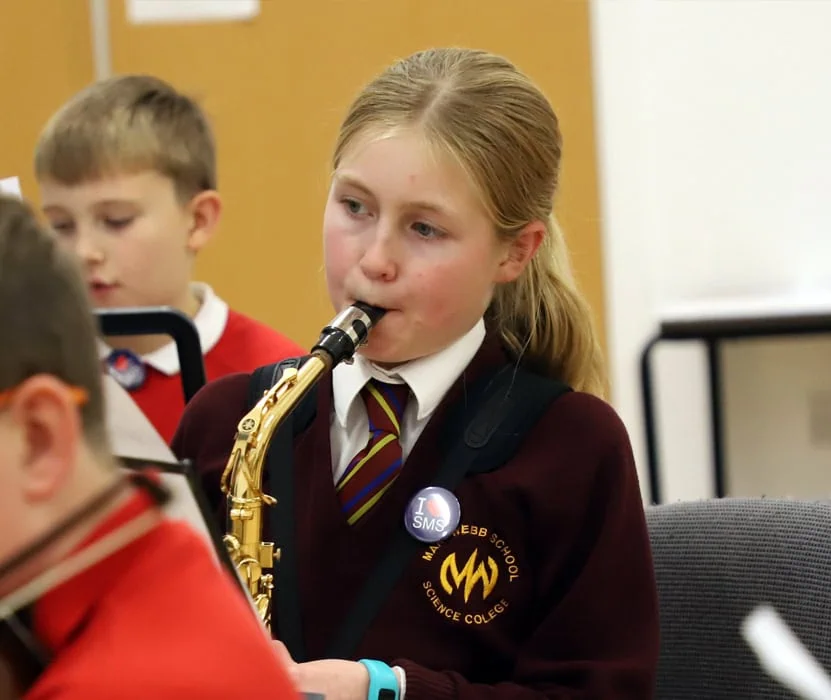
Our saxophone teachers hold appropriate qualifications and bring varied specialisms. Many hold teaching diplomas, university music degrees, or substantial performance experience. Some specialise in classical; others in jazz or contemporary styles.
Teachers work across:
We match teachers based on teaching approach, specialisms, and personality fit.
Saxophone lessons happen:
Flexibility accommodates school timetables. Mention location preferences when enquiring.
Group lessons offer distinct advantages. Ensemble playing develops ensemble listening. Seeing other learners progress provides motivation. Group lessons cost less, improving accessibility.
Learners are typically placed in pairs at similar levels.
Your initial lesson covers:
Most beginners leave excited, having produced recognisable sounds and understanding the path ahead.
Saxophone lesson pricing varies based on teacher experience, lesson length (our lessons start at ten minutes and work upwards to one hour), and whether tuition is individual or small group. Current rates are available on enquiry.
Many schools subsidise piano lessons for pupils or provide them free to disadvantaged students. Check with your child’s school about current provision.
To start:
Here are some common questions we are asked
and if you have some that are not covered here, please do get in touch on our contact page.
Alto saxophone suits most beginners. It’s smaller, lighter, and easier to handle. Tenor saxophone comes later for experienced players.
Most learners play simple melodies within 6-8 weeks with consistent practice.
Learning to produce clear initial sound requires practice. However, this barrier reduces quickly. Most learners feel capable within weeks.
Either approach works. Hiring removes financial risk initially; purchasing happens once you’re confident about long-term involvement. You will need to provide reeds for the instrument.
Absolutely. Both complement each other beautifully. Classical technique provides foundation; jazz develops flexibility and expression.