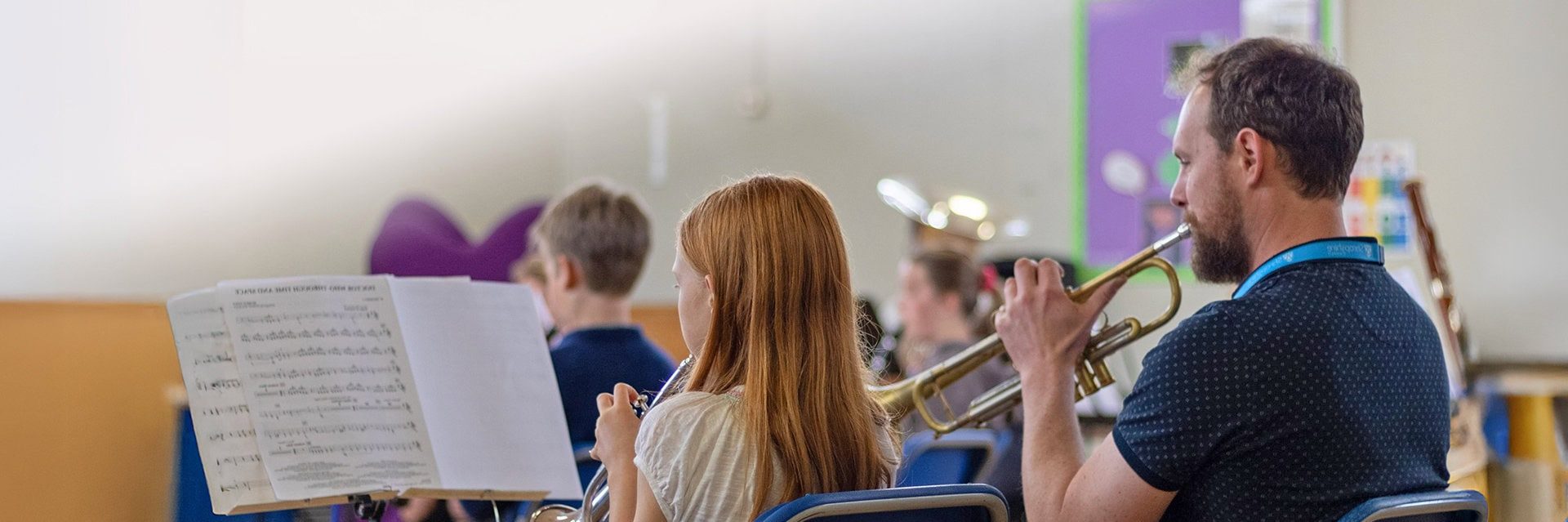
Piano remains the most popular instrument for music lessons, and for good reason. From classical masterworks to jazz improvisation, from film score recreation to songwriting, piano opens limitless musical pathways. Our piano teachers across Shropshire work with learners aged 4 upwards, adjusting pace and repertoire to match individual goals.
Piano teaches music fundamentals better than almost any other instrument. Students learn theory naturally through playing because the keyboard layout makes musical relationships visible. A child who plays piano develops an intuitive understanding of intervals, scales, harmony, and progression that benefits all future musical learning.
The instrument also develops strong hand independence, concentration, and discipline. A piano player controls both melodic lines and harmonic accompaniment simultaneously, training both sides of the brain to work interdependently. Over time, this translates to improved focus in other areas of learning.
Practically speaking, pianos sit in homes where families can hear them. This visibility keeps motivation high and makes music part of family culture rather than something happening in isolated lessons.
Piano lessons happen:
Flexibility accommodates school timetables. If a particular location works better for you, mention this when you enquire.
Piano exams follow clear frameworks. ABRSM grades 1-8 and diplomas provide structured progression. Trinity exams follow similar models with slightly different piece selections and marking emphasis. Both examining boards produce excellent musicians.
Our teachers prepare students thoroughly. Practice between lessons drives exam success far more than lesson frequency; we guide families on practice routines that build week to week.
Exam preparation includes technical work (scales, arpeggios), set pieces chosen from examining board lists, sight-reading practice, and aural skills training. By the time you sit an exam, these elements feel integrated rather than separate disciplines.
Complete beginners worry about starting without knowledge. This concern is unfounded. Piano welcomes absolute beginners of any age. We teach reading and playing simultaneously, so students learn notation through playing rather than studying theory in isolation.
Your first lesson covers:
Most beginners play recognisable music within 3-4 weeks. This early success sustains motivation through the less immediately rewarding technical work that follows.
Children aged 4 upwards respond well to piano lessons. Younger learners benefit from shorter, more playful sessions. We use a variety of teaching methods and reward systems that keep engagement high.
Piano suits children who like structure. The keyboard’s visual clarity appeals to children who learn well through seeing patterns. Mathematics-minded children particularly flourish because harmonic and rhythmic structures use logical, repeatable patterns.
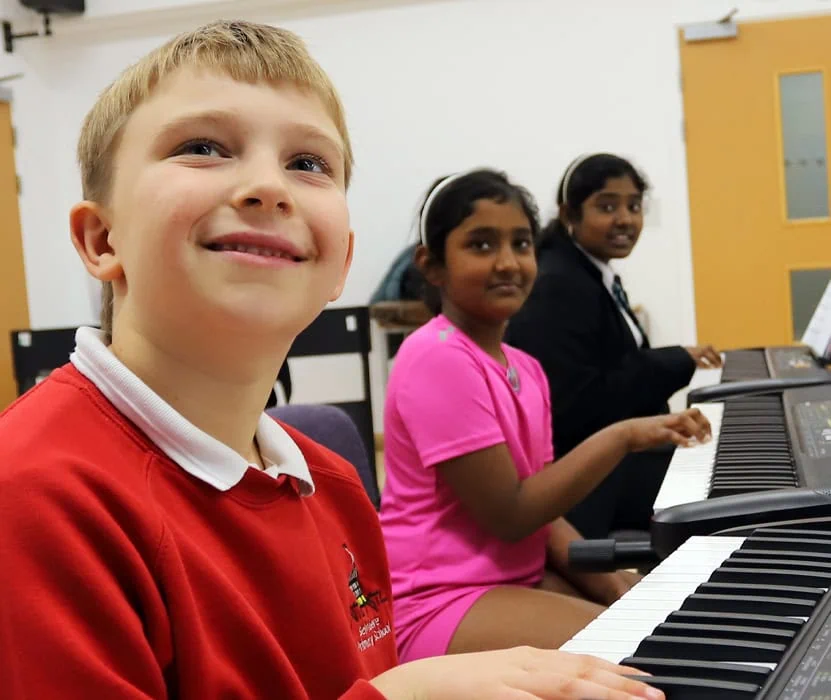
Group lessons work well for younger learners, particularly in schools. Seeing other children play motivates practice.
Teenagers bring different energy. Some return to music after childhood interruption; others start completely fresh. Teenage learners often want contemporary repertoire, film scores, or pop music arrangements. We deliver this without compromising classical foundations.
Teenage lesson content adapts to emerging independence. Rather than learning solely what the teacher assigns, older learners increasingly choose repertoire and pace their own learning. This shift towards autonomy works well for the teenage brain.
Piano naturally teaches music theory. The keyboard layout makes intervals visible. Playing major and minor scales shows harmonic colour. Harmonic progressions become obvious when you play them.
Rather than teaching theory as abstract concept, we integrate it into playing. A student learning a piece in G major simultaneously discovers what notes belong to that key, why certain chords follow others, and how composers use key relationships to shape musical narratives.
By the time students sit formal theory exams (if they choose to), they already understand much through playing experience.
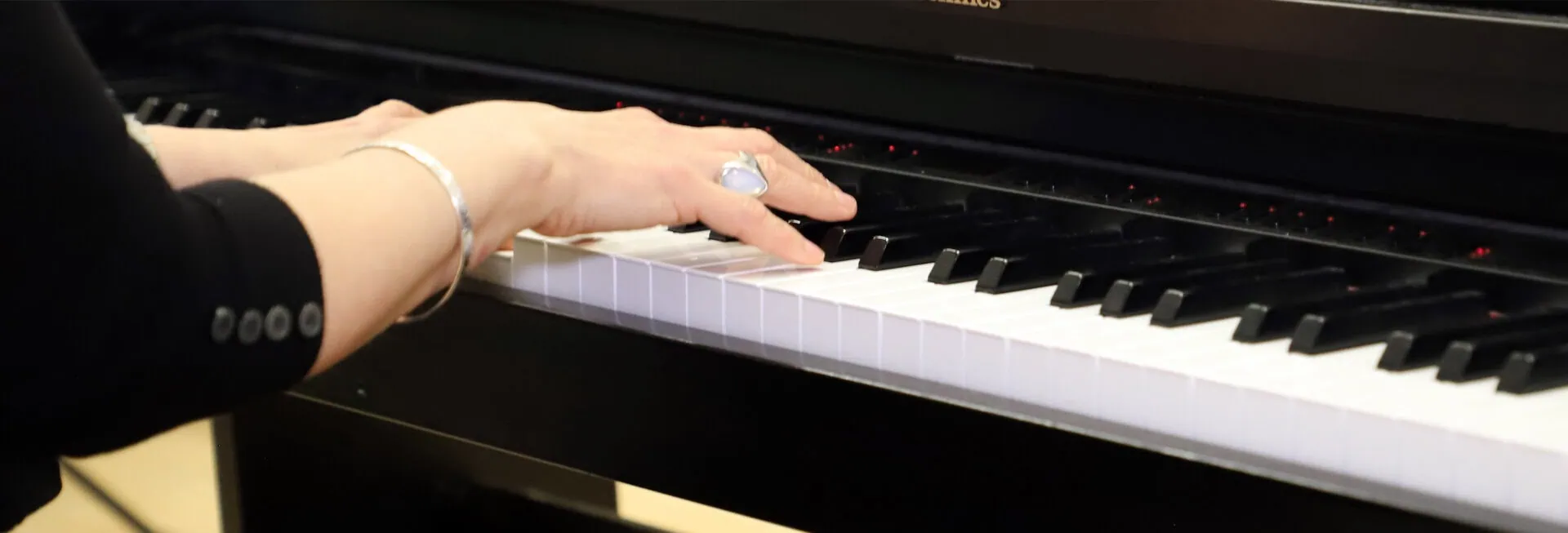
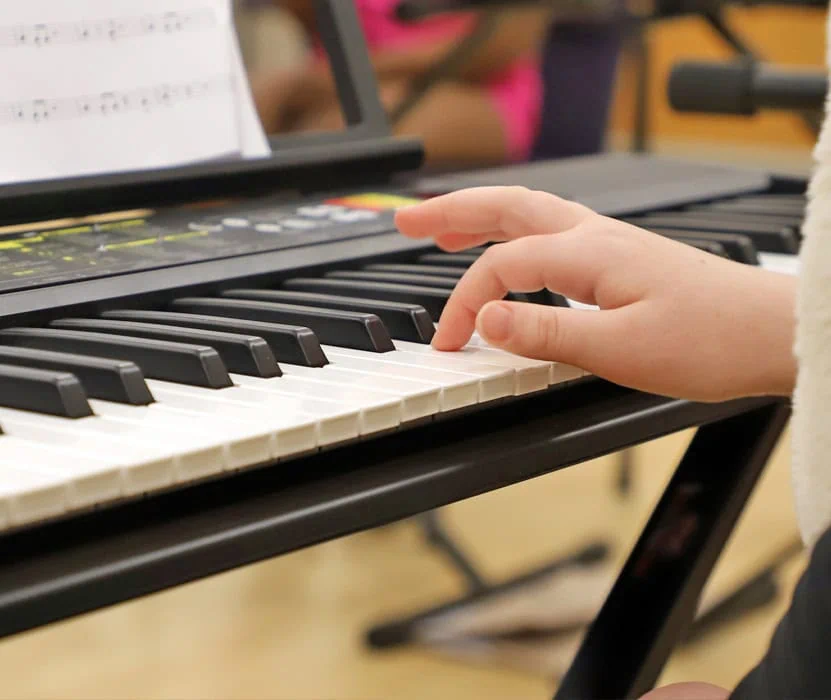
Many families start on weighted digital keyboards. These cost less, take up less space, and require no tuning. Weighted keys simulate acoustic piano resistance, crucial for developing proper hand position and strength.
Some learners progress to acoustic pianos as they advance. Others remain entirely happy on keyboards. We advise based on your circumstances. If you already own a keyboard, start there. You can upgrade to an acoustic piano later if desired.
Regular practice drives piano progress more than lesson frequency. We recommend:
Our beginner teaching booklets help students progress at a comfortable pace, with helpful tips throughout provided by our teachers.
The parents’ role matters significantly. Young learners benefit hugely from parental encouragement and accountability. We guide parents on supporting practice without creating resistance.
Our piano teachers hold appropriate qualifications and bring varied specialisms. Many hold teaching diplomas, university music degrees, or professional performance experience. Some specialise in early years teaching.
Teachers work across:
We match teachers to students carefully, considering teaching philosophy, specialisms, and personality fit. Many families request specific teachers based on recommendations.
Group piano lessons offer benefits beyond individual tuition. Ensemble playing develops listening skills. Seeing other learners progress provides motivation. Group lessons cost less, making piano accessible to more families.
We run group sessions in schools during the regular school day or at our centre in Shrewsbury.
Group sizes typically learn in pairs, at similar levels. This maintains individual attention while building ensemble experience.
Piano grades follow logical progression, each building on previous foundations:
Grades 1-3: Establish fundamentals. Learners read fluently in treble clef, play scales and arpeggios, develop hand independence, and understand basic music theory.
Grades 4-5: Develop expressiveness. Technical facility increases; learners navigate more complex time signatures, explore wider harmonic range, and bring interpretive choices to performance.
Grades 6-8: Demonstrate mastery. Pieces become more substantial and technically demanding. Learners develop individual musical voice while mastering complex technical requirements.
Early grades move slightly slower as foundations matter enormously.
Your initial lesson covers:
Most beginners leave feeling capable. You’ll play something recognisable, understand the path ahead, and feel excited rather than intimidated.
Pricing varies based on lesson length (lessons can start at ten minutes or run up to one hour), and whether tuition is individual or small group. Contact us for current rates and to discuss what suits your budget.
Many schools subsidise piano lessons for pupils or provide them free to disadvantaged students. Check with your child’s school about current provision.
To start:
Here are some common questions we are asked
and if you have some that are not covered here, please do get in touch on our contact page.
Yes, though lessons are shorter and more playful. Age 5-6 typically works better because focus improves slightly.
You’ll play recognisable music within 3-4 weeks. Noticeable improvement in technique becomes obvious within 2-3 months.
No. Quality weighted keyboards work excellently. Many learners progress entirely on keyboards; others upgrade to acoustic pianos later.
Daily practice, even 15-20 minutes, produces far better results than longer sessions once weekly. Consistency matters more than duration.
Many parents do, which creates shared interest and models learning. It also helps you support your child’s practice. However, it’s entirely optional.